The Rise of Ancestral Nutrition: Why Whole-Food Ingredients Are Changing Protein Bars

Protein bars have become a familiar part of modern nutrition. They are convenient, portable, and often marketed as an easy way to add protein to a busy day. Yet as consumers become more interested in ingredient quality, the definition of a good protein bar is beginning to change.
Instead of focusing only on protein numbers and convenience, a growing nutrition movement emphasizes recognizable ingredients, traditional food sources, and a closer connection to whole foods. This approach is commonly associated with ancestral nutrition.
The idea does not necessarily mean returning to an entirely primitive diet. Rather, ancestral nutrition encourages a greater appreciation for minimally processed foods and nutrient-dense ingredients. That philosophy is increasingly finding its way into convenient foods, including protein bars.
What Is Ancestral Nutrition?
Ancestral nutrition is broadly based on the idea that traditional dietary patterns can offer useful inspiration for modern eating habits. These approaches generally emphasize foods that are close to their natural form, including quality meats, eggs, dairy, fruits, vegetables, nuts, seeds, and other nutrient-dense foods.
The modern food system, however, places considerable emphasis on convenience. Highly processed snacks can contain long ingredient lists, refined sweeteners, artificial flavors, and other components that have little resemblance to traditional foods.
Ancestral nutrition does not mean that every modern food must be avoided. Instead, it can encourage greater attention to where ingredients come from, how heavily a product is processed, and whether a convenient food still provides meaningful nutritional value.
This perspective is particularly interesting in the protein bar category.
Why Protein Bars Are Changing
Traditional protein bars were often designed primarily around high protein content and extended shelf life. Texture, flavor, and convenience also played important roles, but ingredient simplicity was not always the central consideration.
Today, consumers are becoming more discerning. A protein bar may contain a substantial amount of protein, but shoppers increasingly look beyond the front of the package. Questions about protein sources, sweeteners, oils, additives, and overall ingredient quality can influence purchasing decisions.
This shift has created space for a different kind of protein bar—one that combines convenience with a more food-focused ingredient philosophy.
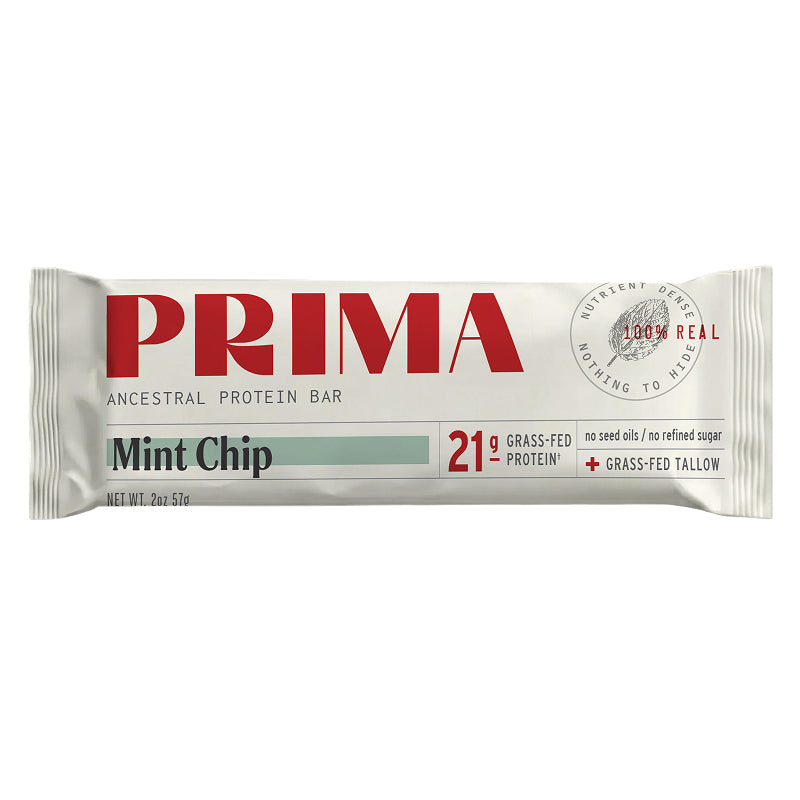
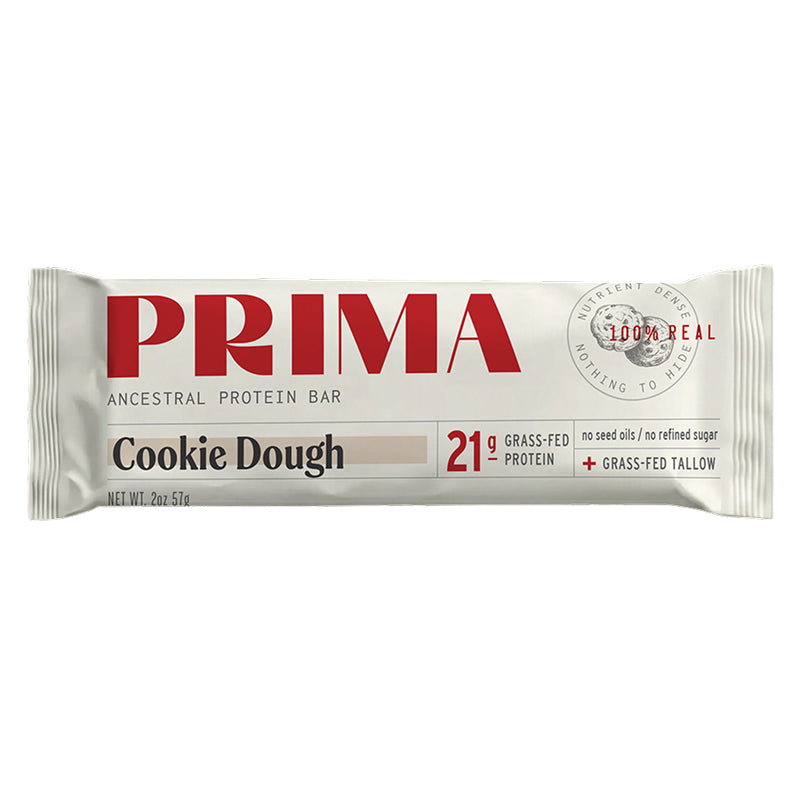
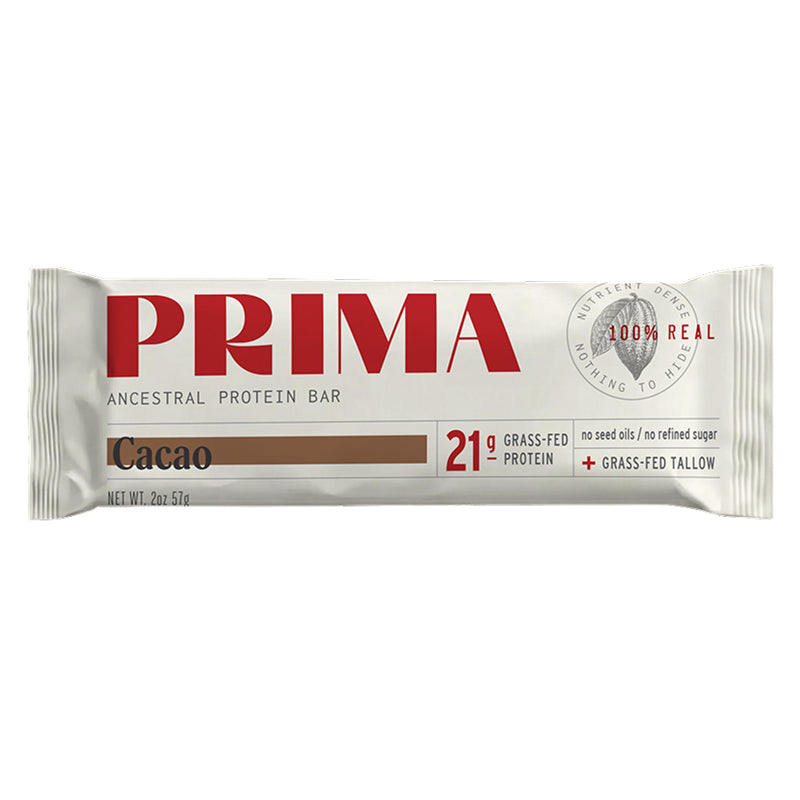
PRIMA's Ancestral Protein Bars reflect this evolving category. Available in flavors such as Mint Chip, Cookie Dough, and Cacao, the bars are designed to bring a more recognizable-food perspective to convenient protein snacking.
The Importance of Protein Quality
Protein is one of the primary reasons people choose protein bars. It contributes to the maintenance and growth of muscle and plays an important role in numerous biological processes.
However, the source of protein can be just as relevant as the amount listed on a nutrition label. Different protein sources have different amino acid profiles, digestibility characteristics, and nutritional properties.
The Ancestral Protein Bars from PRIMA are built around grass-fed protein, giving the products a distinct position within the modern protein snack market. Each bar provides 21 grams of protein, making it substantial enough to serve as a convenient protein-focused snack.
This combination of protein density and an ancestral-inspired formulation demonstrates how traditional nutrition principles can be adapted to modern lifestyles.
Moving Beyond Complicated Ingredient Lists
One of the most noticeable changes in the better-for-you food market is the growing preference for simpler ingredient lists.
A shorter ingredient list does not automatically make a product healthier, and individual ingredients still need to be considered in context. Nevertheless, recognizable ingredients can make it easier for consumers to understand what they are eating.
An ancestral approach generally places emphasis on foods and ingredients that have a clear nutritional purpose. This contrasts with the idea that convenience foods must rely heavily on artificial additives or highly refined components to achieve desirable flavor and texture.
Protein bars can therefore occupy an interesting middle ground. They are processed enough to be portable and shelf-stable, yet their formulations can still prioritize food-based ingredients.
Three Flavors for Different Snacking Preferences
Flavor is another area where modern protein bars have evolved. A nutritious snack does not necessarily have to taste bland, dry, or overly functional.
PRIMA offers three Ancestral Protein Bar varieties that demonstrate how protein-focused snacks can incorporate familiar dessert-inspired flavors.
The Mint Chip Ancestral Protein Bar brings a refreshing mint-and-chocolate combination to the category. It can appeal to those who enjoy the contrast between cool mint and rich chocolate flavors.
The Cookie Dough Ancestral Protein Bar takes inspiration from the familiar taste of cookie dough. Its dessert-style profile provides an alternative to traditional chocolate or nut-based protein bars.
For chocolate enthusiasts, the Cacao Ancestral Protein Bar offers a deeper cacao-focused flavor. It fits naturally into a snack routine for those who prefer a richer, more chocolate-forward option.
Having multiple flavors also makes it easier to incorporate protein bars into a varied snack routine rather than relying on one repetitive option.
Convenience Without Losing Sight of Food Quality
Modern schedules often make traditional meals difficult to manage. Commuting, travel, work, exercise, and other responsibilities can create situations where a portable snack becomes useful.
This is where protein bars have a practical advantage.
An ancestral-inspired bar does not attempt to replace a balanced meal. Instead, it can provide a convenient source of protein when preparing a complete meal is not immediately practical.
The appeal lies in the balance between modern convenience and a more traditional food philosophy. A bar can fit inside a bag, desk drawer, or travel pack while still reflecting a focus on protein and ingredient quality.
The Future of Ancestral-Inspired Snacking
The growing interest in ancestral nutrition highlights a broader change in the food industry. Consumers are increasingly interested in understanding what sits behind nutritional claims rather than choosing products based solely on packaging or calorie counts.
For protein bars, this could mean greater attention to protein sources, ingredient transparency, processing methods, sweeteners, and overall formulation.
The movement also illustrates that convenience and nutrition do not necessarily have to exist at opposite ends of the spectrum. Products can be designed for modern lifestyles while drawing inspiration from traditional approaches to food.
PRIMA's Ancestral Protein Bars represent one example of this direction, combining a high-protein format with flavors and ingredients intended to fit a more food-conscious approach to snacking.
A More Thoughtful Approach to Protein Snacking
The rise of ancestral nutrition is not simply about recreating historical diets. It reflects a growing desire for foods that feel more connected to recognizable ingredients and meaningful nutrition.
Protein bars are evolving alongside that preference. Instead of being viewed only as convenient sources of protein, they are increasingly being evaluated according to the quality of their ingredients, protein sources, flavors, and overall formulation.
With Mint Chip, Cookie Dough, and Cacao varieties, PRIMA demonstrates how ancestral-inspired principles can enter a familiar modern snack format. For consumers interested in combining portability with a greater emphasis on protein and food-focused ingredients, this evolving category offers a fresh perspective on what a protein bar can be.
