Seasonal Boating Travel Guides: Best Times to Explore the Mediterranean, Caribbean, and Beyond
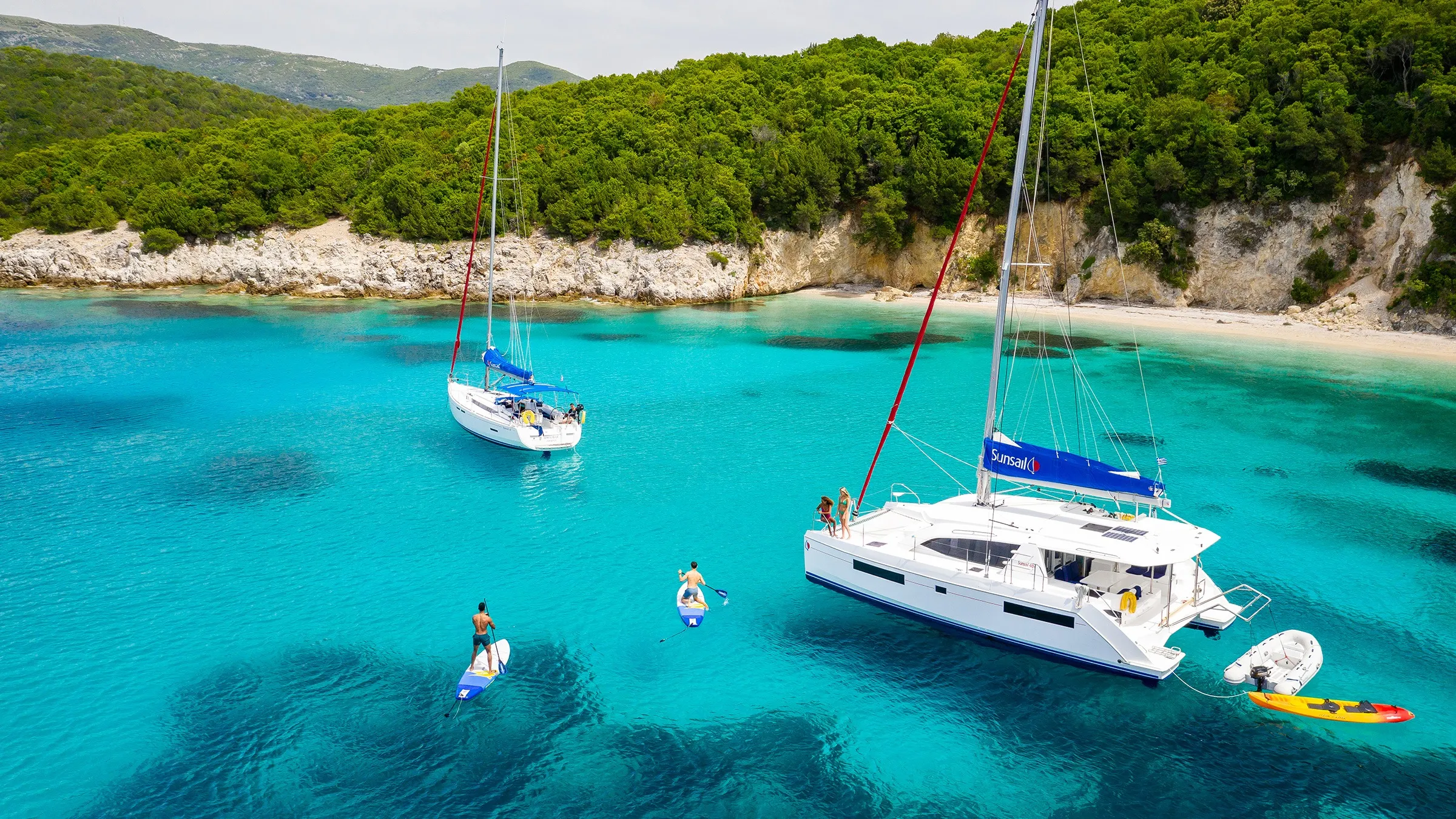
Boating is one of the most exhilarating ways to explore the world's waterways. From sun-soaked Mediterranean coastlines to the turquoise waters of the Caribbean, every destination has its own charm and ideal season for exploration. Whether you are a seasoned sailor or renting your first boat through Click&Boat, understanding the best times of the year to embark on your adventure can make all the difference. This comprehensive guide will help you navigate the seasonal considerations for the world's premier boating destinations, ensuring you make the most of your maritime adventures.
Mediterranean Magic: Sun, Sea, and Sailing Seasons
The Mediterranean is the ultimate boating paradise, offering a mix of historic ports, crystal-clear waters, and stunning coastal landscapes. Stretching across three continents and touching the shores of over 20 countries, this legendary sea has captivated sailors for millennia. However, timing your trip is essential to maximize your experience.
Spring (April–June): The Season of Renewal
Spring is ideal for those who want to avoid the summer crowds while enjoying pleasant temperatures and calm seas. Islands like Sardinia, Corsica, and the Greek Cyclades bloom with vibrant landscapes, and harbors are lively yet relaxed. Average temperatures range from 18-25°C (64-77°F), making it comfortable for both sailing and exploring coastal towns. The water temperature begins to warm up, reaching around 18-20°C by late May, which is perfect for the more adventurous swimmers.
During spring, you'll experience the Mediterranean at its most authentic. Local markets overflow with fresh produce, wildflowers carpet the hillsides, and traditional festivals bring communities together. The sailing conditions are generally excellent, with consistent winds that aren't too strong, making it ideal for beginners and experienced sailors alike. Charter prices are typically 20-30% lower than peak season, offering excellent value for your boating vacation.
Summer (July–August): Peak Season Splendor
Peak summer attracts tourists from around the world. The Mediterranean is perfect for long days of sunbathing, swimming, and vibrant nightlife. Water temperatures reach their warmest at 25-28°C (77-82°F), and the weather is reliably sunny with minimal rainfall. However, prices are higher, and some ports can be crowded. Booking early via Click&Boat ensures you secure the boat and route of your dreams.
Summer sailing means you can island-hop extensively, spending evenings at bustling beach clubs and seaside restaurants. The Meltemi winds in Greece provide excellent sailing conditions, while the French Riviera becomes a glamorous playground for yacht enthusiasts. Be prepared for higher marina fees and the need to book restaurant reservations in advance at popular destinations. The social atmosphere is unmatched, with numerous regattas, boat parties, and nautical events happening throughout the season.
Autumn (September–October): The Golden Season
Many consider autumn the best-kept secret. The sea remains warm, the crowds diminish, and harbors feel more authentic. September is perfect for exploring Italy's Amalfi Coast or Spain's Balearic Islands. The light takes on a golden quality that photographers adore, and the temperatures moderate to a comfortable 20-26°C (68-79°F). Sea temperatures remain pleasant at 22-24°C through September, only gradually cooling in October.
Autumn offers the perfect balance between good weather and peaceful cruising. You'll find that locals are more relaxed and welcoming once the peak tourist rush subsides. Marina prices drop significantly, sometimes by as much as 40% compared to August. The culinary scene shines during this season, with harvest festivals celebrating local wines, olives, and seasonal produce. Sailing conditions remain excellent, with reliable winds and generally calm seas, though you should monitor weather forecasts more carefully as occasional autumn storms can develop.
Winter (November–March): Off-Season Exploration
Most Mediterranean destinations slow down. While the weather may be cooler, sailing enthusiasts can enjoy peaceful cruising, particularly around southern Spain and the Canary Islands. Winter temperatures vary greatly depending on location, ranging from 8-16°C (46-61°F) in northern regions to 15-20°C (59-68°F) in southern areas.
For the adventurous boater, winter offers unique opportunities. The Canary Islands maintain pleasant year-round temperatures and serve as an excellent winter sailing destination. Many experienced sailors use winter months for longer passages or boat maintenance. Charter prices hit their lowest point, and you'll have harbors almost to yourself. Some marinas offer special long-term rates for winter stays. While swimming may be less appealing, the clarity of winter air provides stunning visibility for coastal photography and sightseeing.
Caribbean Cruising: Year-Round Sunshine and Island Rhythms
The Caribbean is synonymous with turquoise waters, powdery white sands, and tropical vibes. Comprising over 7,000 islands, islets, and cays, this vast archipelago offers endless possibilities for exploration. Unlike the Mediterranean, the Caribbean's weather revolves around wet and dry seasons rather than strict summer or winter months, making seasonal planning crucial for a successful voyage.
Dry Season (December–April): Peak Caribbean Paradise
This is peak season for Caribbean sailing. Expect sunny skies, light breezes, and calm seas, perfect for snorkeling, diving, and island hopping. Popular destinations like the British Virgin Islands and Saint Martin shine during these months. Temperatures hover consistently between 24-29°C (75-84°F), with water temperatures a balmy 26-28°C (79-82°F).
The trade winds during this period are steady and predictable, typically blowing from the east at 10-20 knots, creating ideal sailing conditions. Visibility underwater reaches its peak, making it the best time for diving and snorkeling at famous sites like the wreck of the RMS Rhone or the coral gardens of Tobago Cays. However, this popularity comes at a premium,expect charter prices to be 30-50% higher than off-season rates, and book marinas well in advance.
December through February attracts snowbirds from North America and Europe seeking warm weather escapes. March and April see an influx of spring breakers, particularly in destinations like the Bahamas and Turks and Caicos. Despite the crowds, the festive atmosphere, world-class regattas like the BVI Spring Regatta, and perfect weather make this season worth the premium pricing.
Wet Season (May–November): Off-Peak Adventures
While this period sees more rain and humidity, it also offers lower prices and fewer crowds. Boaters should be mindful of hurricane season (June–November) and plan carefully. Still, early May and late November can be surprisingly enjoyable. Temperatures remain warm at 26-32°C (79-90°F), with higher humidity levels that can feel oppressive during midday hours.
The "wet season" designation can be misleading,rainfall typically comes in short, intense bursts rather than all-day drizzles. Mornings often dawn clear and beautiful, with afternoon showers that cool things down and create spectacular rainbows. Charter prices can drop by 40-60% compared to peak season, making it an attractive option for budget-conscious travelers.
The months of May, June, and early July, before peak hurricane activity, offer excellent value with relatively low storm risk. Similarly, late November sees improving conditions as hurricane season officially ends. Many experienced Caribbean sailors consider June and November the sweet spot for off-season sailing,good weather probability combined with significantly reduced prices and crowds.
If you do sail during hurricane season, maintain flexibility in your itinerary, monitor weather forecasts religiously, and ensure your boat rental includes comprehensive insurance. Many modern charter companies offer flexible cancellation policies during this period, allowing you to rebook if threatening weather develops.
Northern Europe: A Different Boating Rhythm and Unique Landscapes
For those seeking unique destinations, Northern Europe offers picturesque waterways, fjords, and historic ports. This region provides a dramatically different boating experience from tropical or Mediterranean destinations, with its own special magic. Boating here requires attention to seasonal conditions, but rewards sailors with breathtaking scenery, rich maritime history, and uncrowded waters.
Summer (June–August): The Midnight Sun Season
With long daylight hours and milder temperatures, summer is the peak season for exploring Norway's fjords, the Baltic Sea, or the Scottish Highlands. At northern latitudes, you can experience the phenomenon of the midnight sun, with nearly 24 hours of daylight in late June. Booking a boat through Click&Boat early ensures access to premium vessels.
Temperatures during Northern European summer range from 15-22°C (59-72°F), considerably cooler than Mediterranean or Caribbean destinations, but the extended daylight hours more than compensate. The long days allow for ambitious sailing itineraries, and the unique quality of northern light creates unforgettable photographic opportunities.
Norway's fjords present some of the world's most dramatic coastal scenery, with towering cliffs plunging into deep, calm waters. The Swedish archipelagos offer thousands of islands to explore, many with traditional red cottages and welcoming communities. The Baltic Sea provides fascinating cultural experiences, with easy sailing between countries like Sweden, Finland, Estonia, and Poland.
Weather can be unpredictable, so prepare for sudden changes and pack layered clothing. However, when conditions are favorable, Northern European sailing offers unparalleled beauty and the chance to anchor in pristine locations where tourism hasn't yet made a significant impact.
Spring and Autumn (May and September–October): Shoulder Season Serenity
These shoulder seasons offer quieter harbors and fewer tourists. Expect cooler waters and occasional rain, but stunning autumn foliage or spring blossoms make up for it. Temperatures range from 10-18°C (50-64°F), and you'll need proper cold-weather sailing gear.
Spring in Northern Europe brings dramatic changes to the landscape. Ice melts from harbors, migratory birds return, and wildflowers begin blooming along coastal areas. May can be particularly beautiful, with apple and cherry blossoms in Denmark and the Netherlands creating stunning scenes.
Autumn offers spectacular color displays, particularly in Scandinavia and Scotland. The forests surrounding fjords and inland waterways transform into brilliant displays of red, orange, and gold. September typically provides the most stable weather of the shoulder season, while October can be stormier but offers the most dramatic light and scenery.
Prices during shoulder seasons are considerably lower, often 30-40% less than peak summer rates. You'll find marina space readily available, and local communities are less overwhelmed by tourism, providing more authentic cultural interactions.
Winter (November–March): For the Truly Adventurous
Winter boating is only for the most adventurous. Short days, cold temperatures, and icy waters limit options, but some enthusiasts enjoy peaceful winter cruising or ice boating experiences. Temperatures frequently drop below freezing, and daylight hours shrink to just 6-8 hours per day in most locations, even less in the far north.
Despite these challenges, winter Northern European sailing has its devotees. Some harbors in southern Denmark, the Netherlands, and the UK remain accessible year-round. Properly equipped boats with heating systems can provide cozy refuge while you explore winter landscapes devoid of tourists.
Ice boating,sailing on frozen lakes and bays with specialized craft,offers unique thrills in Scandinavia and the Baltic region. Some adventurous sailors undertake winter passages to prove their skills and experience maritime conditions at their most challenging.
Southeast Asia: Tropical Treasures and Monsoon Considerations
Southeast Asia offers spectacular cruising grounds that rival the Caribbean for natural beauty while providing fascinating cultural experiences. From Thailand's island-studded coastline to Indonesia's vast archipelago, this region rewards adventurous boaters with pristine anchorages, vibrant marine life, and welcoming communities.
High Season (November–March): Ideal Cruising Conditions
The northeast monsoon brings settled weather, calm seas, and dry conditions to most Southeast Asian cruising grounds. This is the optimal time for exploring Thailand's Andaman coast, Malaysia's Langkawi region, and the Philippines. Temperatures range from 25-32°C (77-90°F) with low humidity and excellent visibility.
During these months, the region comes alive with sailors from around the world. Phuket, Langkawi, and other sailing hubs host international regattas and social events. The calm conditions make it perfect for diving and snorkeling at world-renowned sites. Island hopping is straightforward, with predictable wind patterns and minimal rainfall.
Shoulder Seasons (April and October–November): Transition Periods
These months mark the transitions between monsoons. Weather can be variable, with occasional squalls, but they offer the advantage of lower prices and fewer crowds. Conditions can change rapidly, requiring flexible planning and careful weather monitoring.
Low Season (May–September): Southwest Monsoon
The southwest monsoon brings wind, rain, and rougher seas to western coasts of the region. However, this pattern creates excellent sailing conditions on eastern coasts. Experienced sailors can find good cruising on the Gulf of Thailand side while western coasts experience stormy weather. Prices drop significantly, and marinas offer special low-season rates.
South Pacific: Paradise Found
The South Pacific islands represent the ultimate sailing fantasy for many boaters. Tahiti, Fiji, Tonga, and other island nations offer crystalline waters, traditional Polynesian culture, and some of the world's most remote and beautiful anchorages.
Best Season (May–October): Trade Wind Season
The southeast trade winds provide reliable sailing conditions during these months. Temperatures are comfortable at 24-28°C (75-82°F), and the weather is generally dry. This is cyclone-free season, making it the safest and most popular time for cruising the South Pacific.
Island hopping between French Polynesia's Society Islands, the Tuamotus, and the Marquesas offers unforgettable experiences. Fiji's protected waters provide easier sailing for those new to the region. The challenge of South Pacific sailing lies in the distances between island groups, but the rewards are unmatched.
Cyclone Season (November–April): Exercise Extreme Caution
The South Pacific cyclone season makes sailing potentially dangerous during these months. However, sailing closer to the equator or in protected harbors can be manageable. Many cruisers either leave the region or find secure anchorages to wait out the season. Some marinas offer cyclone protection services, but the safest approach is to avoid sailing altogether during peak cyclone months of January through March.
Tips for Planning Your Seasonal Boating Adventure
Book Early and Strategically
Peak seasons fill fast. Use Click&Boat to secure your boat well in advance, typically 6-12 months ahead for popular destinations during high season. Early booking often comes with discounts, and you'll have the widest selection of vessels. Consider booking shoulder season trips just 2-3 months ahead for better last-minute deals.
Check Local Events and Festivals
Festivals, regattas, or public holidays can affect harbor availability and local pricing. Major events like the Cannes Film Festival, Monaco Grand Prix, or Caribbean carnival celebrations can make marinas impossible to book and inflate prices dramatically. Conversely, attending sailing events like the Antigua Sailing Week or Palma Superyacht Show can enhance your experience if you plan accordingly.
Consider Weather Patterns Carefully
Research average temperatures, wind conditions, and sea states for your destination. Don't rely solely on seasonal averages,check historical weather data for your specific dates. Modern weather routing services can help plan passages, and apps like PredictWind or Windy provide detailed forecasts essential for safe sailing.
Pack Accordingly for Varied Conditions
Seasonal clothing, safety gear, and sun protection can make a huge difference in comfort. Even in tropical destinations, bring layers for cool evenings and rain gear for sudden squalls. Sun protection is crucial,wide-brimmed hats, reef-safe sunscreen, and UV-protective clothing should be standard equipment. Don't forget appropriate footwear for both deck and shore activities.
Insurance and Safety: Non-Negotiable Priorities
Make sure your rental includes proper insurance and that you review safety protocols before setting sail. Understand what's covered,damage deductibles, third-party liability, personal injury, and weather-related cancellations. Ensure your boat includes essential safety equipment: life jackets for all aboard, flares, EPIRB or PLB, fire extinguishers, first aid kit, and proper navigation equipment.
Take a pre-departure safety briefing seriously. Familiarize yourself with all boat systems, emergency procedures, and VHF radio operation. File float plans with someone on shore, and maintain regular communication schedules. Modern technology like satellite communicators can provide peace of mind in remote areas.
Provisioning and Local Knowledge
Research provisioning options at your destination. Some remote areas have limited supplies, requiring thorough provisioning before departure. Learn about local regulations, fishing restrictions, marine protected areas, and anchoring rules. Respect local communities and marine environments,sustainable sailing practices ensure these destinations remain pristine for future generations.
Health and Documentation
Ensure passports are valid for at least six months beyond your travel dates. Research visa requirements, particularly for multi-country sailing adventures. Bring necessary medications, as pharmacies may be scarce in remote areas. Consider travel health insurance that covers medical evacuation,crucial for island destinations far from advanced medical facilities.
Conclusion: The World Awaits
Boating is more than just transportation,it's an experience, a lifestyle, and a way to connect with nature in its purest form. Whether you dream of cruising the Mediterranean under a golden sun, hopping between Caribbean islands where pirates once roamed, exploring the majestic fjords of Northern Europe, or venturing to remote South Pacific atolls, choosing the right season enhances every moment on the water.
Each destination offers its own rhythm, its own magic, and its own optimal timing. The Mediterranean's ancient history and vibrant culture shine brightest in spring and autumn. The Caribbean's tropical perfection peaks during winter's dry season. Northern Europe's dramatic landscapes reveal their full glory during the endless days of summer. Southeast Asia provides year-round opportunities for those who understand monsoon patterns. The South Pacific rewards adventurous sailors with unforgettable experiences during trade wind season.
Click&Boat makes it easy to find the perfect vessel at the perfect time, ensuring your boating adventure is seamless, safe, and unforgettable. With proper planning, respect for local conditions, and attention to seasonal considerations, your sailing adventures will create memories that last a lifetime.
Set your sights on the horizon and let the seasons guide your next maritime adventure. The world is waiting, one boat ride at a time. From the moment you cast off the lines to when you secure them again in harbor, you'll experience the freedom, beauty, and timeless allure that has drawn humans to the sea for thousands of years.
Fair winds and following seas on your next adventure!
